Case Study : Evidence and Thermal separation
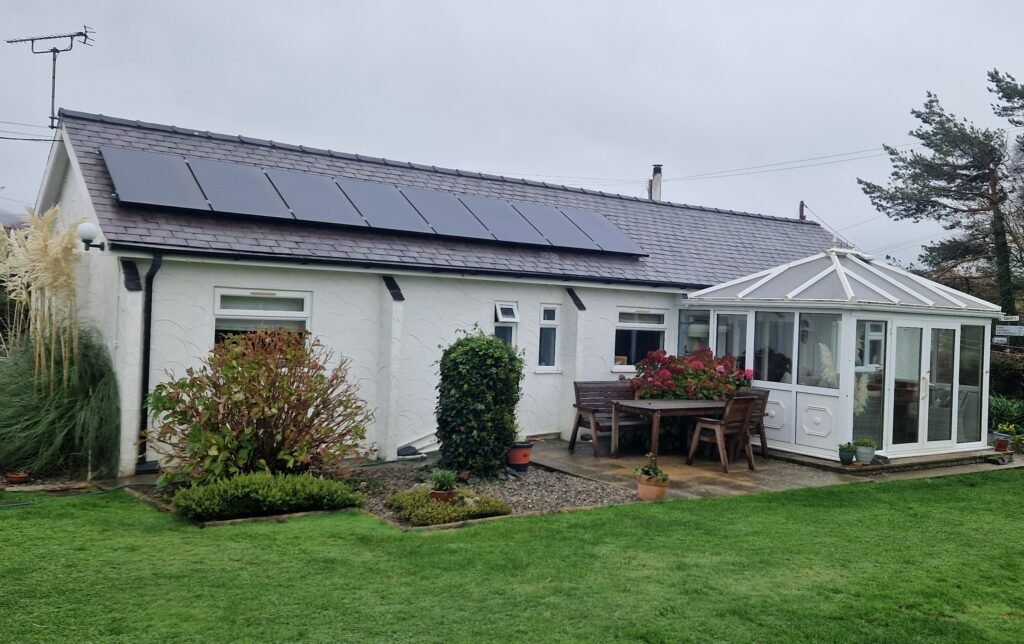
This Is a lovely house that has been upgraded to be more efficient including an air source heat pump and solar panels internal wall insulation but scored a D63 and 1 tonne of Co2 emission due to a uncoupled conservatory, lack of evidence of wall insulation and solar panels details.
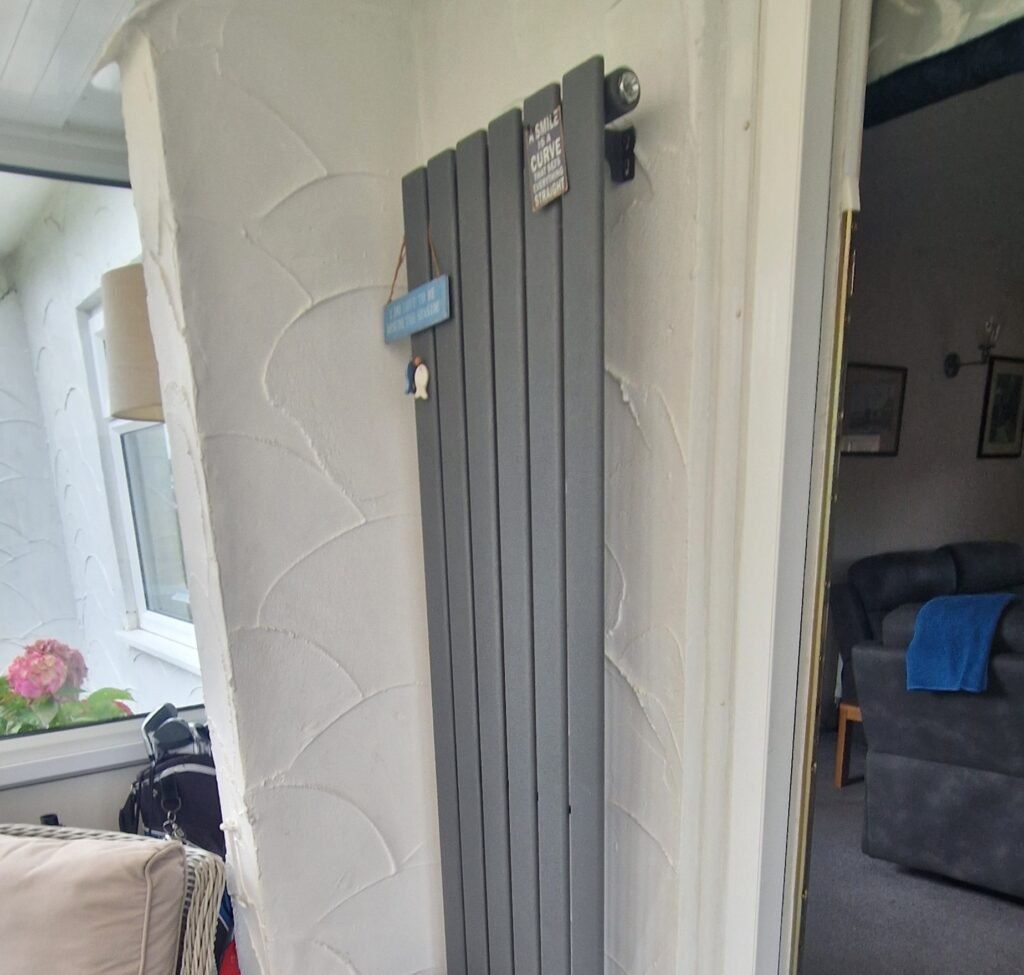
To have a thermally separated conservatory there needs to be an exterior quality door from the main house to the conservatory, this property has which is normally a common issue but a designer radiator has been installed running off the main heating system which makes the conservatory not thermally separated and a habitable room. This single radiator reduces the EPC sore by a huge 9 points. With it removed the property would be a C72.
Other than the EPC rating radiator is also a concern for the heat pump efficiency. This is a designer radiator which do not have a lot of heat output and not sufficient for heating a conservatory. Also, a concern as it’s a DIY install that it’s been balanced correctly and is not inadvertently increasing return flow temperatures to the heat pump affecting the whole system performance.
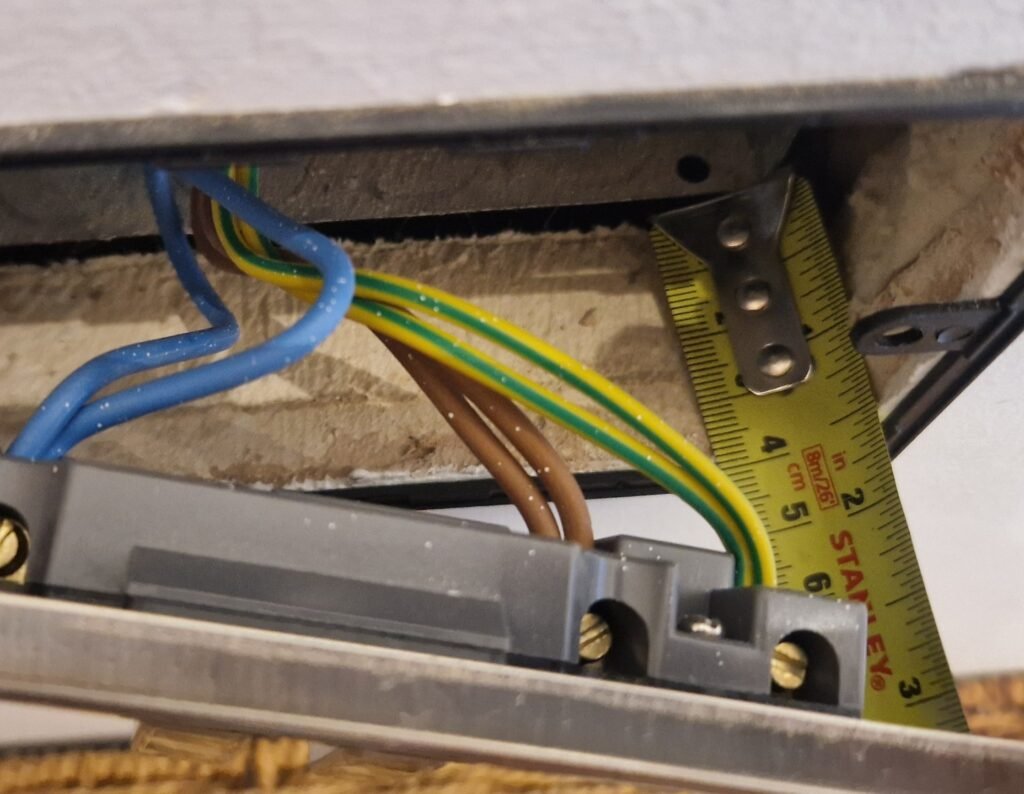
The EPC needs visual or documentary evidence of retro fitted insulation for it to be included. Documentary evidence if DIY then receipts of the material bought and pictures of the insulation part fitted, if a contractor fitted then a completion certificate or guarantee that states what and where insulation was fitted. Visual evidence can be obtained in some scenarios like the picture, where the home owner removed a plug socket to reveal the internal wall insulation.
Other solutions are installing small access doors in discrete locations that allows inspection.
In this case if there was evidence of the 100mm wall insulation it would again make a huge 9 point improvement to a B81
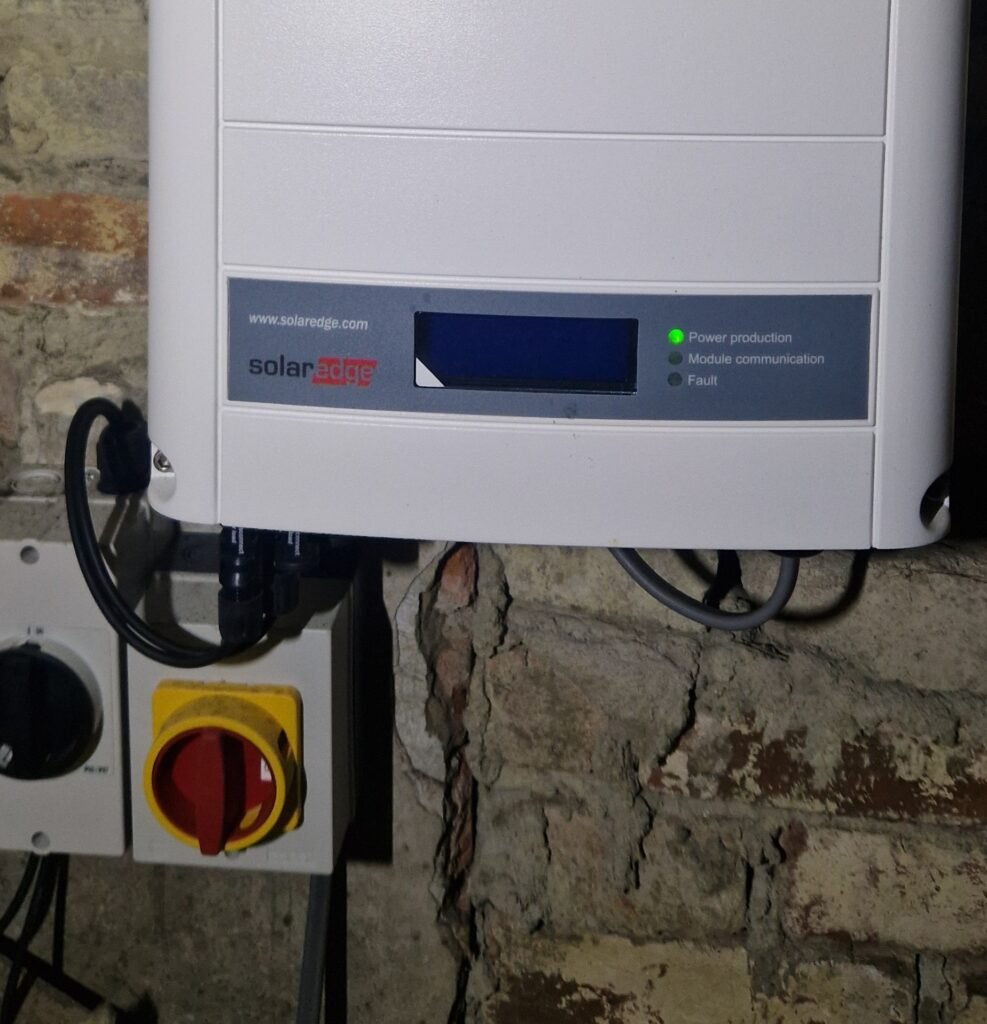
On an EPC solar panels can be added by two methods, Percentage of roof area or by panel details. Without paperwork this property is estimated at 25% roof coverage for a B81. With the MCS installation certificate which estimate will state 250 watt panels and aligns to common panels being fitting at the time and the inverter size of 4Kw. Adding the panel details instead of the roof % increases the score by 5 points to a B86 and 0.3 tonnes of Co2 per year.
What this case study shows that evidence is critical in having an accurate EPC and a small effort in finding paperwork or gaining photographic evidence made a 14 point difference which is huge. Also ensuring a conservatory is thermally isolated is key.
To improve this house more, I would recommend adding more loft insulation to 300mm from 125mm and gives a B88, The house was lacking in extractor fans and ventilation, with the owners using a dehumidifyer in the bathroom.
As the property is a bungalow and has wall insulation which i would hope is taped and sealed well then installing Mechanical Ventilation with Heat Recovery (MVHR) could be an good route. MVHR improves the air quality lowering humidity and CO2 but recovering ~90% of the heat from the outgoing air. MVHR does need a good airtightness to be most efficient with an average air turnover of 1 the epc is a B90 a 2 point increase but much improved air quality. If the home owner installed the minimum amount of extractor fans the epc would be B87 so the MVHR would be a 3 point increase.
MVHR would also have the compounded savings of reducing the heating load so the heat pump will operate at a lower flow temperature and be more efficient.
Adding another 2Kw of solar on the roof makes the property an A97 with 0.1 tonnes of Co2 or with the MVHR an A99 with zero C02 emissions, as the house heating is fully electric the owners will benefit the most from self-consumption in spring and autumn months.